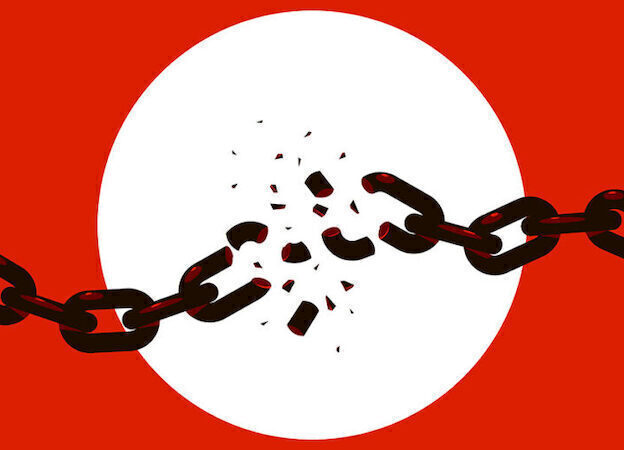
“Link rot” sounds dramatic, but it’s a very real problem. Every time you update a website, change a page structure, move platforms or swap domains, links you’ve shared in the past risk breaking. Old URLs in emails, PDFs, social posts and printed materials stop working — sometimes without you noticing until months later.
Broken links frustrate users, damage credibility and silently drain your traffic. Fortunately, there’s a simple way to protect yourself: using short links as a stable layer between the content you share and the destination behind it.
Why Link Rot Happens
It doesn’t take much for a link to break. Common causes include:
- changing your website’s structure or navigation
- replacing landing pages after a campaign
- moving from one CMS platform to another
- renaming or removing pages over time
- switching domains
- updating UTM parameters or tracking systems
When any of these happen, thousands of previously shared URLs — often across several years — can suddenly fail.
The Cost of Broken Links
A broken link is more than an inconvenience. It can:
- lose you customers at the moment they want to act
- hurt SEO by increasing bounce rates
- damage brand trust (“Do they maintain anything?”)
- waste ad spend when old campaigns still circulate
- break internal documentation or onboarding materials
Most businesses don’t notice the damage until long after it’s happened.
The Short-Link Advantage: Permanent URLs, Flexible Destinations
When you use a Tinyr short link, the visible URL never changes — but you can update the destination at any time. That means:
- old social posts stay functional
- printed materials remain valid even years later
- email campaigns keep working after website updates
- QR codes never expire unless you choose to retire them
Your audience always reaches a relevant, working page — even if you reorganise your website completely.
Example: Updating a Landing Page
Suppose you printed flyers linking to a seasonal promo:
tinyr.co/spring
Next year, you want the same URL to point to the new version of your spring campaign. Instead of reprinting everything, you simply update the destination in Tinyr.
The link stays alive. The user experience stays clean. Your materials stay relevant.
Example: Migrating to a New Platform
Many sites eventually move from one CMS or ecommerce system to another. Internal URLs inevitably change. But if your audience only ever sees short links, those changes don’t affect them — you just update the mapping behind the scenes.
Analytics Stay Intact Too
If you replace a page with a newer one, your analytics from the short link don’t disappear. Tinyr continues tracking:
- clicks over time
- devices
- locations
- referrer sources
Your data stays consistent even as your content evolves.
A Simple Habit With Long-Term Benefits
Link rot is usually discovered only after it’s caused real damage. Using short links as your default sharing method prevents the problem before it starts, giving you a stable, long-lasting layer of control.
Whether you're posting on social media, sharing resources with clients or printing materials for your next event, Tinyr ensures those links never quietly fail in the background.
One stable link today can save you dozens of broken ones tomorrow.